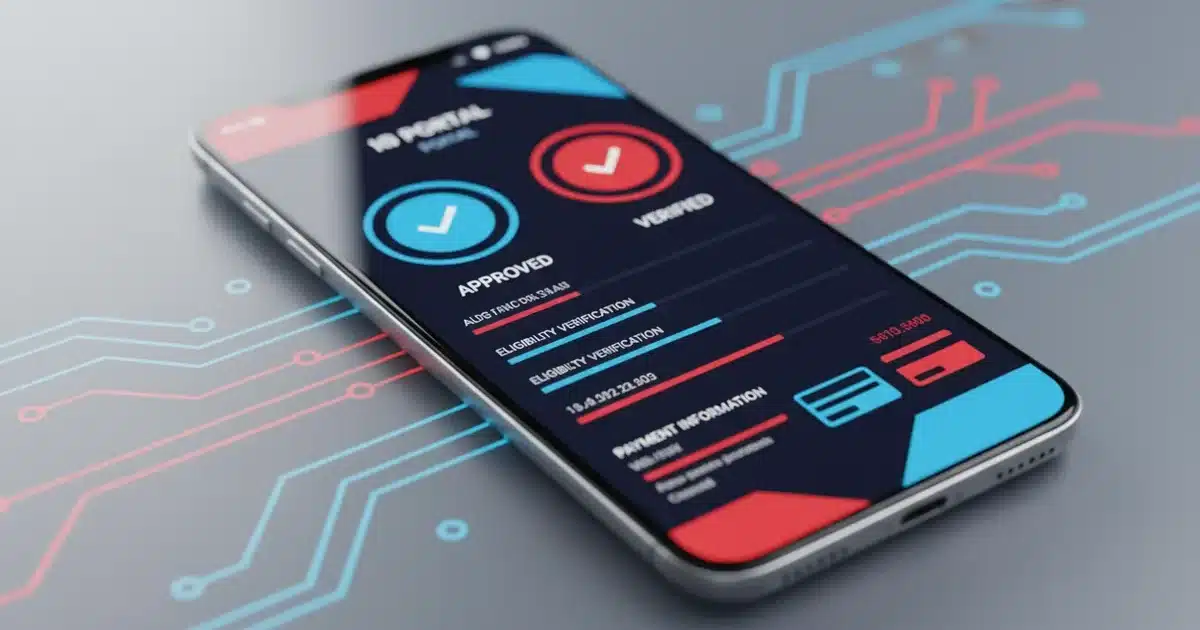
The BISP Rs. 28,000 payment is now available to eligible women across Pakistan in 2026, distributed in phases starting with urban areas. Verification happens exclusively through the 8171 web portal or by SMS — and eligibility depends on a valid CNIC, a linked SIM card, and a completed NSER survey.
Pakistan's Benazir Income Support Program (BISP) has rolled out one of its most significant updates since the program launched in 2008. Women across the country are now in line to receive a combined payment reaching up to Rs. 28,000, a figure that reflects several components bundled together rather than a single flat transfer. For millions of households living below the poverty line, this update carries real weight.
The entire verification and eligibility process runs through a single digital touchpoint: the 8171 portal. Whether you check online or via SMS, that number is the gateway to knowing where you stand. And in a country where digital access is still unevenly distributed, that simplicity matters.
What makes up the Rs. 28,000 BISP payment
The Rs. 28,000 figure is not a standalone disbursement. It represents a combined total that bundles several distinct payment streams into one release. Understanding what goes into it helps explain why the amount can vary from one beneficiary to another.
The core component is the regular quarterly BISP installment. On top of that, women who experienced delayed or held payments from previous cycles receive those arrears in the same disbursement. The third layer is the Taleemi Wazaif, an education stipend tied to school enrollment for children within the household. And finally, women who recently completed a verification update may receive additional post-verification support.
How this compares to previous programs
To put this in context, the older Ehsaas Program distributed payments of Rs. 12,000. More recent BISP cycles have seen figures of Rs. 14,500 and Rs. 15,500 cited in different distribution rounds. The jump to Rs. 28,000 reflects both program expansion and the bundling of pending amounts that were previously held up in verification queues. It is a meaningful increase, and for households that also qualify for the Taleemi Wazaif component, the total climbs further depending on how many children are enrolled in school.
maximum combined payment available to eligible BISP beneficiaries in 2026
Who qualifies and who does not
Eligibility for the BISP 2026 payment is tightly defined. The program targets women who are already registered in BISP or the former Ehsaas Program, have completed the National Socio-Economic Registry (NSER) survey, and whose household data has been verified and kept current. A poverty score within the required threshold is mandatory, and that score is derived directly from NSER data.
On the documentation side, applicants need a valid and verified CNIC (Computerized National Identity Card). The SIM card used for contact and payment must be registered under that same CNIC — not a family member's, not a borrowed number. This SIM verification step is where a significant number of applications get blocked.
Automatic disqualifications
Certain categories of women are excluded regardless of financial need. Government employees do not qualify. Individuals with high household income fall outside the poverty threshold. Anyone with incorrect, outdated, or falsified NSER data will be rejected. And women who have not yet completed the NSER survey are simply not in the system — their applications cannot be processed until that step is done.
The education component adds one more condition: the Taleemi Wazaif stipend only applies to households where children are actively enrolled in school. Families with school-age children who are not attending miss out on that portion of the payment.
If your SIM card is not registered under your own CNIC, your payment will be blocked. Visit a mobile franchise to complete SIM verification before checking your status on the 8171 portal.
How to check eligibility via the 8171 portal
The 8171 web portal is the official channel for checking BISP payment status and eligibility in 2026. The process is straightforward and requires no special technical knowledge, which is deliberate — the government designed it to be accessible even on basic smartphones.
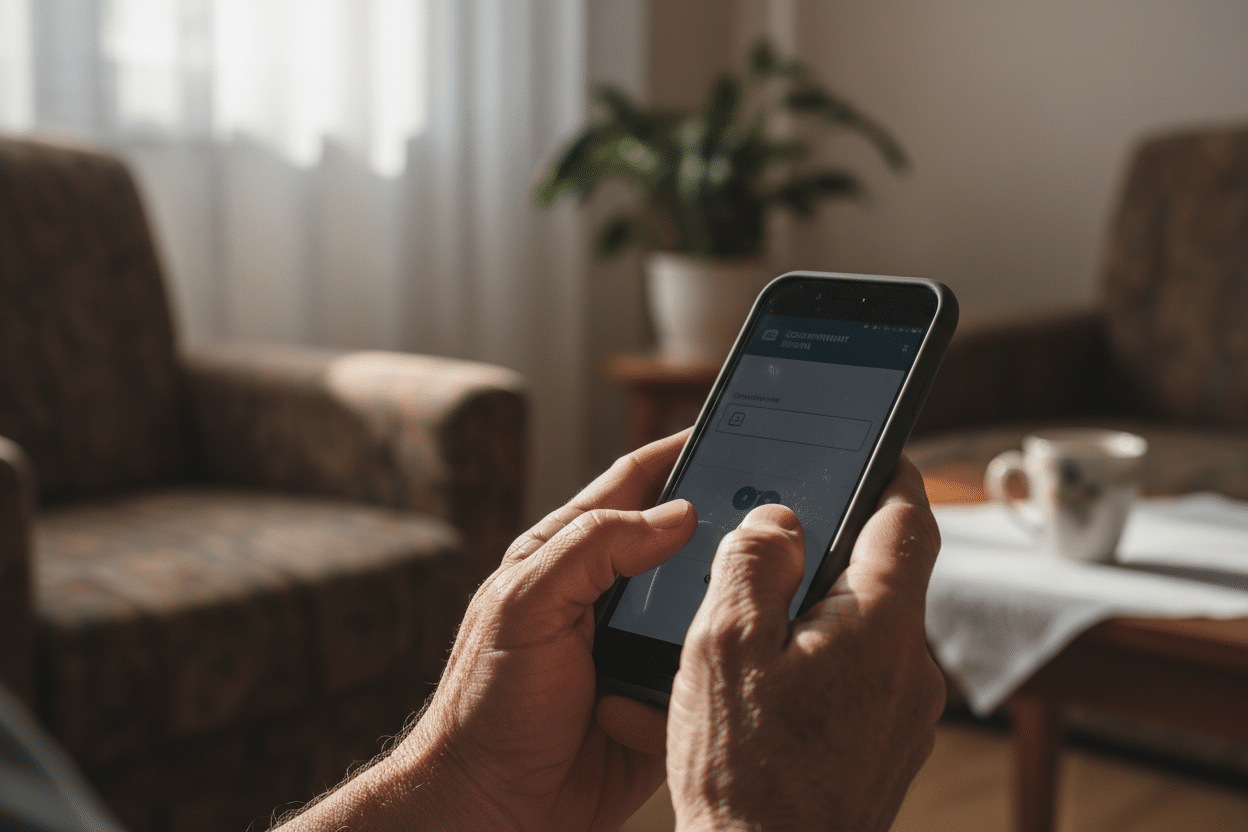
Checking online via the web portal
The steps to check your 8171 CNIC online status are:
- Open the official 8171 web portal in your browser
- Enter your CNIC number in the designated field
- Enter the captcha code displayed on screen
- Click "Submit"
- Your screen will display your eligibility status, the payment amount due, and your verification result
The portal returns real-time data pulled from NSER records, so the result reflects your current registration status. If your data is still being processed, the portal will show a status of "under verification" — this means the system has your information but has not yet completed the review.
Checking via SMS
For women without reliable internet access, the SMS verification method offers an alternative. Open your messages app, type your 13-digit CNIC number, and send it to 8171. The system returns an automated reply with your payment status and basic eligibility information. This method works on any mobile network and does not require a smartphone. Just as with the portal, the SIM you send from must be registered under your own CNIC — otherwise the system cannot match your identity.
The digital infrastructure behind this kind of verification is increasingly central to how governments deliver social programs. Much like how new security measures on mobile platforms are reshaping how apps verify user identity, BISP's SIM-linked verification model ties financial access directly to digital identity — a shift that has both efficiency gains and real exclusion risks for those who fall through the cracks.
Common problems and how to resolve them
A significant number of eligible women encounter issues when checking their status or collecting their payment. Most problems trace back to a small set of root causes.
| Problem | Likely cause | What to do |
|---|---|---|
| CNIC not found in system | Not registered in BISP/NSER | Visit a BISP center and complete the NSER survey |
| Status shows "under verification" | Data still being processed | Wait and recheck via the 8171 portal regularly |
| Payment not showing | Disbursement not yet released for your phase | Wait for the next distribution phase |
| SIM not verified | SIM not linked to personal CNIC | Go to a mobile franchise for SIM verification |
The phased rollout structure means that not everyone receives payment at the same time. Urban areas are processed first in 2026, with rural areas following in subsequent phases. Women in rural zones should not interpret a missing payment as a rejection — it may simply mean their phase has not yet been reached. Distribution happens at designated campsites or through banking partners, depending on the region.
Keeping the NSER survey up to date is the single most effective way to avoid delays. If household circumstances have changed — income, family size, address — those changes need to be reflected in the registry. An outdated survey can push an otherwise eligible applicant into a review loop that delays payment by an entire cycle. Similarly, enrolling children in school is not just a social good — it directly unlocks the Taleemi Wazaif component and increases the total payout a household receives.
The way digital verification tools are being embedded into welfare distribution mirrors broader trends in how technology is reshaping access to services — from privacy changes in messaging platforms to identity-linked authentication across government systems. For BISP beneficiaries in Pakistan, mastering the 8171 check online CNIC 2026 process is no longer optional — it is the direct path to receiving support that has already been approved.